
Sustainability has become more than a trend. It is now a responsibility for manufacturers, businesses, and consumers alike. As industries shift toward eco-friendly materials and production methods, the need for verification grows stronger. This is where biodegradability certification testing plays a crucial role. It ensures that products labeled as biodegradable truly meet environmental standards and contribute positively to reducing pollution.
The Need for Verified Sustainability
Many products today claim to be biodegradable or environmentally safe. However, without proper testing and certification, these claims can be misleading. Consumers are becoming more aware and cautious, seeking transparency and authenticity. Verified sustainability helps build trust and encourages responsible consumption.
Biodegradability is not just about a product breaking down. It involves the speed, conditions, and environmental impact of the decomposition process. Without scientific evaluation, it is impossible to confirm whether a product genuinely benefits the environment or simply shifts the problem elsewhere.
What Is Biodegradability Certification Testing
Biodegradability certification testing is a scientific process that evaluates how materials break down under specific environmental conditions. It examines whether a product can decompose naturally through microbial activity without leaving harmful residues.
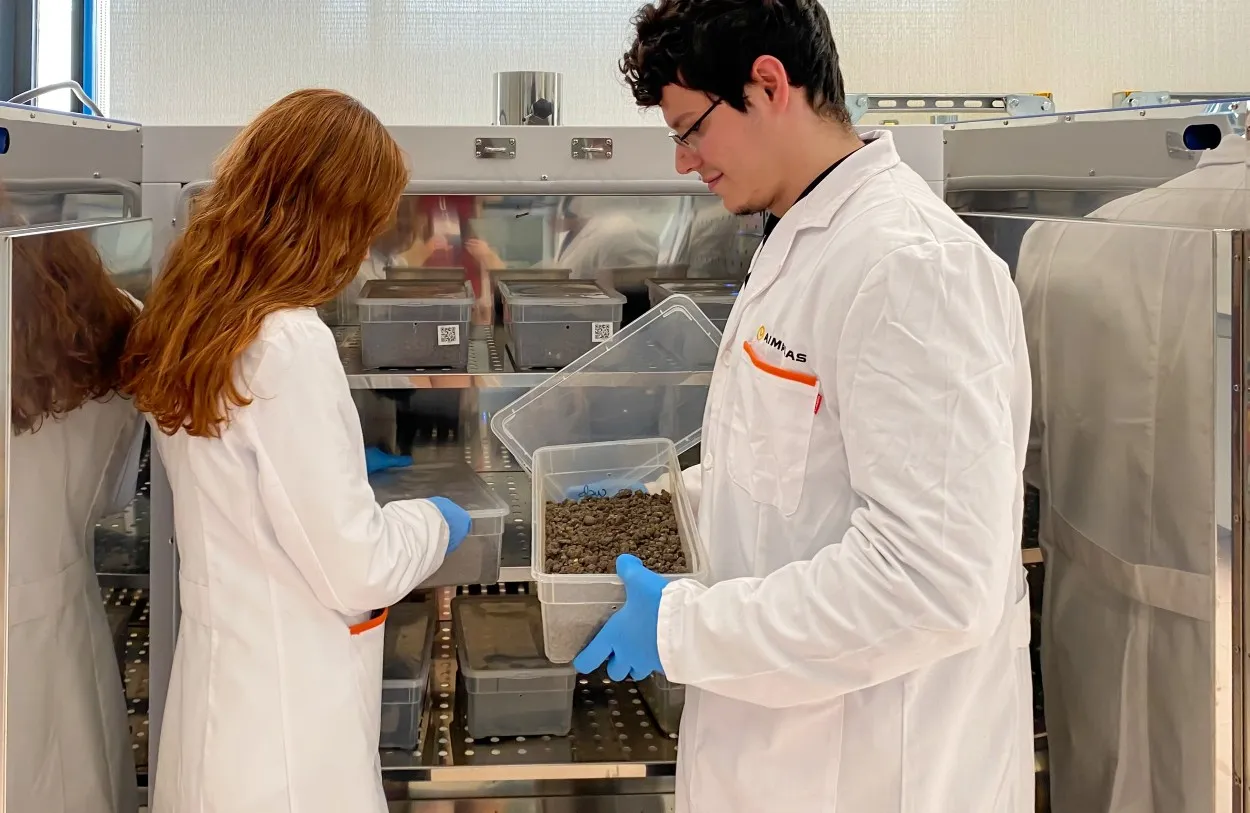
Testing is typically conducted in controlled laboratory settings where factors such as temperature, oxygen levels, and microbial presence are monitored. The goal is to simulate real-world conditions as closely as possible while ensuring accurate and repeatable results.
The certification process often follows recognized international standards. These standards define the criteria a product must meet to be considered biodegradable. Once a product passes these tests, it can be certified and labeled accordingly.
Ensuring Environmental Safety
One of the primary benefits of certification testing is its ability to ensure environmental safety. It confirms that materials do not release toxic substances during decomposition. This is particularly important for products that come into contact with soil or water.
For example, biodegradable plastics must break down into harmless components such as water, carbon dioxide, and biomass. If harmful chemicals remain, the product cannot be considered truly sustainable. Certification testing identifies such risks and prevents misleading claims from entering the market.
Supporting Regulatory Compliance
Governments and regulatory bodies around the world are introducing stricter guidelines for environmental claims. Companies must comply with these regulations to avoid penalties and maintain credibility.
Biodegradability certification testing helps businesses meet these requirements by providing documented proof of compliance. It aligns products with established environmental standards and ensures that claims are backed by scientific evidence. This not only protects the environment but also enhances a company’s reputation.
Promoting Innovation in Materials
Certification testing encourages innovation by pushing manufacturers to develop better materials. Companies invest in research and development to create products that meet stringent biodegradability standards.
This leads to the creation of advanced materials that decompose efficiently without harming ecosystems. As a result, industries move closer to achieving circular economy goals, where waste is minimized and resources are reused effectively.
Building Consumer Trust
Trust is a key factor in today’s market. Consumers prefer brands that demonstrate a genuine commitment to sustainability. Certification acts as a seal of authenticity, assuring buyers that a product has been independently tested and verified.
When consumers see certified labels, they are more likely to choose those products over uncertified alternatives. This shift in preference encourages more companies to adopt responsible practices and invest in sustainable solutions.
Reducing Environmental Impact
The ultimate goal of biodegradability certification testing is to reduce environmental impact. Ensuring that products break down safely and efficiently helps minimize pollution and waste accumulation.
Certified biodegradable products contribute to cleaner ecosystems by reducing landfill burden and preventing long-term environmental damage. They support natural cycles and promote healthier soil and water systems.
Conclusion
Biodegradability certification testing is a vital tool in achieving true sustainability. It goes beyond marketing claims and provides scientific validation of environmental performance. By ensuring safety, supporting compliance, encouraging innovation, and building trust, it plays a significant role in shaping a more sustainable future. As awareness continues to grow, certification testing will remain essential in guiding industries toward genuine environmental responsibility.